Stylish Suit Combinations for Every Upscale Date
Reading time: 11 minutes
You're standing in front of your closet wondering which suit combinations will really impress on your next upscale date? In sugar dating, the first 30 seconds decide, and your outfit speaks long before you say a word. A perfectly fitting suit with well-thought-out details signals success, style awareness and respect for the occasion.
The right wardrobe in sugar dating is no accident. It shows that you understand the context and have prepared deliberately. Whether it's a business lunch at a Michelin-starred restaurant or a gala dinner at the philharmonic hall, anyone who masters the nuances of the dress code makes a lasting impression on discerning women.
Business Casual for a Relaxed Afternoon Meeting
For a first meeting in a relaxed atmosphere, such as brunch in a trendy neighborhood or a stroll through a gallery, the business casual look is your secret weapon. The combination of navy trousers, a light blue Oxford shirt and an unlined blazer in beige looks approachable but not sloppy.
Skip the tie and pocket square for this occasion. Instead, you can wear the shirt open at the collar with the top button undone. GQ magazine recommends brown leather loafers without socks for this look, a detail that combines ease with elegance. Important: your trousers should end above the ankle so you don't spoil the clean silhouette.
In business casual styling, the color combination makes the difference. Earth tones like camel, khaki and sand brown harmonize perfectly with cool shades of blue. A 2018 study from the University of British Columbia shows that men in shades of blue are perceived as more trustworthy and competent, ideal for first meetings. Combine a maximum of three colors in your outfit to create visual calm.
The Classic Suit for Fine Dining
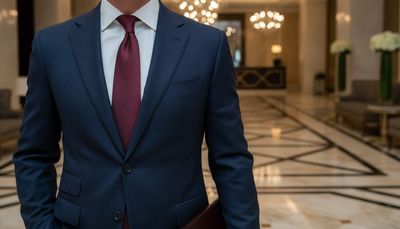
If your date takes place at a two- or three-star restaurant, there is no way around the classic suit. The fine dining dress code calls for a dark two-piece in charcoal or navy. The cut should be modern slim but never skin-tight: the shoulder seam ends exactly at your natural shoulder edge, and the sleeves reach your wrist.
Combine your suit with a white shirt in Egyptian cotton with French cuffs. How you handle yourself with confidence in restaurant table manners is just as important as your outfit. The tie should be silk and 3.1 to 3.5 inches wide; according to style consultant Bernhard Roetzel, the optimal width right now is 3.3 inches.
For shoes, Oxfords in black or dark brown are the standard. Look for full leather soles instead of rubber soles, as they signal an eye for quality. The renowned German department store Breuninger stresses in its 2023 styling guidelines that your shoe color should always be darker than your trousers. Your belt must match your shoes perfectly, an often overlooked detail that connoisseurs notice immediately.
Menswear Color Combinations for Maximum Impact
The color psychology of suit styling follows clear rules. Charcoal with a white shirt and a burgundy tie looks commanding and powerful. Navy combined with a light blue shirt and a silver-gray tie radiates seriousness. For summer occasions, a light gray suit with a white shirt and a pink tie works surprisingly well.
Avoid high-contrast pattern mixing. If your suit is patterned, choose a solid shirt. If the shirt is striped or checked, the suit stays solid. The tie may pick up patterns but should repeat at most two colors from the overall outfit. Style icon David Beckham regularly demonstrates this rule at public appearances; his stylist shows in interviews that every color choice is deliberate.
Black Tie Etiquette for Special Evenings
For opera visits, charity galas or exclusive dinner events, the tuxedo is the only acceptable choice. Classic black tie etiquette calls for a black single-breasted jacket with silk satin lapels. With it you wear a white tuxedo shirt with a concealed placket and French cuffs, never a normal business shirt.
The bow tie must be black and self-tied. Any connoisseur spots a pre-tied clip-on right away. Learning to tie one takes 20 minutes and pays off for good. Complete your outfit with black patent leather shoes and a black cummerbund. Cufflinks should be understated; silver or onyx work perfectly.
A common mistake: never wear an ordinary wristwatch with a tuxedo. Either choose a slim dress watch with a leather strap or skip the watch entirely. As with the perfect watch date, understatement beats showiness. A Patek Philippe Calatrava in rose gold shows more class than a flashy sports watch.
Made-to-Measure Basics Versus Off-the-Rack
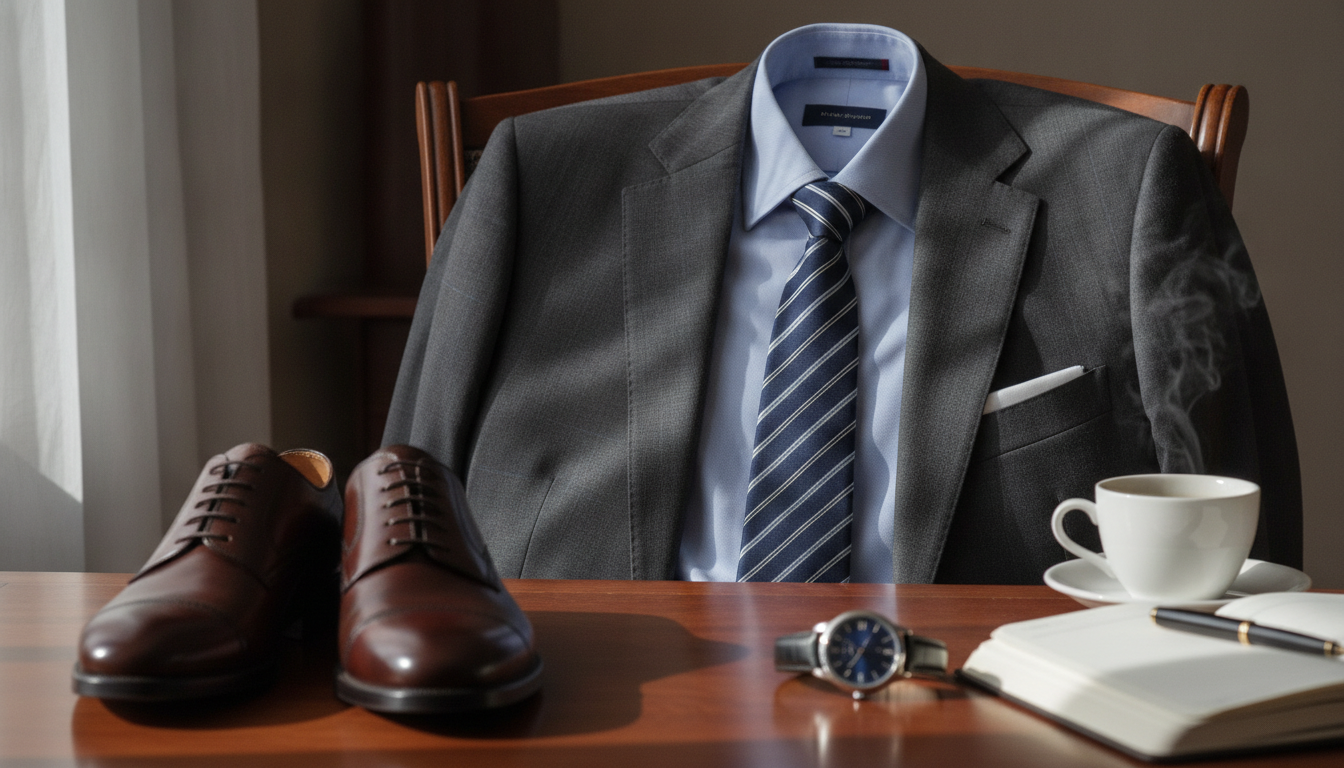
The difference between a made-to-measure suit and an off-the-rack suit is immediately visible. A tailored suit accounts for your individual proportions: narrower shoulders, longer arms or an athletic waist. Tailors like Gieves & Hawkes in London take up to 30 measurements to guarantee the perfect fit.
The investment starts at around $1,300 for an entry-level made-to-measure suit from German tailors such as Kuhn Maßkonfektion in Munich. For a fully bespoke suit from Brioni or Kiton, you pay $4,900 and up. This investment pays off through longevity and timeless design: a high-quality suit lasts over ten years with proper care.
If custom tailoring isn't in your budget, choose off-the-rack pieces from brands like Suitsupply or Hugo Boss and invest $160-220 in professional alterations. A good tailor adjusts sleeve length, trouser length and waist so the suit fits almost like a custom one. The shoulders should already fit perfectly when you buy, since they can hardly be altered afterward.
Fit and Cut for Different Body Types
For athletic men with broad shoulders, the modern fit cut with a slightly tapered silhouette is a good choice. The jacket should have two buttons, with only the top one fastened. Men with a stocky build go for the classic fit with a straight cut and deeper armholes; it offers more freedom of movement without bulging.
Tall, slim men benefit from slim-fit suits with narrow lapels and closely cut trouser legs. Make sure the jacket doesn't look too short; it should end just above the base of your seat. Shorter men opt for short jackets that visually elongate, and avoid wide trouser cuffs that make you look shorter.
Trouser length is crucial: standing, the trousers should rest lightly on the shoe at the front and end about half an inch above the heel at the back. This so-called "half break" is considered the most elegant standard internationally. Trousers that are too long with excess fabric look sloppy, trousers that are too short look childish.
Accessories for a Confident Presence
The right suit accessories underline your style without dominating. A pocket square in the jacket adds color: fold it loosely and irregularly, never geometrically perfect. The color should pick up an accent from the tie or shirt but not match exactly.
Invest in high-quality cufflinks in sterling silver or enamel. They cost between $85 and $325 from brands like Montblanc or Dunhill. Avoid flashy logo links; discretion shows true class. As with aligning expectations in an arrangement, the rule is: quality over quantity.
A subtle tie bar keeps the tie from getting in the way while eating and gives classic looks a vintage touch. Place it between the third and fourth shirt button, never too high up the collar. Your wallet should be smooth leather without a logo and fit in the inside pocket; bulging back pockets ruin the suit silhouette.
Watches and Shoes as Status Symbols
A mechanical wristwatch from Omega, Rolex or IWC signals success without words. For formal occasions, choose models with a leather strap in black or dark brown. The case should be 40 mm in diameter at most; larger watches look out of place with formal suits. Rose gold harmonizes wonderfully with warm brown tones, stainless steel with cool gray and blue shades.
With shoes, the wheat is separated from the chaff. Goodyear-welted shoes from Church's, Crockett & Jones or Allen Edmonds cost from $430 but last decades with regular care. You can recognize them by the visible stitching between the upper and the sole. Cheap glued shoes lose their shape after a few months and quickly look worn.
Care for your shoes with high-quality shoe polish and cedar shoe trees. Never wear the same shoes on consecutive days; leather needs 24 hours to dry. A shoe rotation system with at least three pairs extends their lifespan considerably.
Mastering Seasonal Suit Combinations
In spring and summer, reach for lighter fabrics like linen, cotton or Super 120s wool. Light colors like beige, light gray and ice blue reflect sunlight and keep you cooler. An unlined linen jacket in natural white combined with dark blue chinos works perfectly for summer terrace dates.
Fall and winter call for heavier fabrics like flannel, tweed or corduroy. A dark gray flannel suit with a check pattern radiates coziness and style confidence. Combine it with a cream turtleneck under the jacket for a continental European look that works in cooler temperatures.
Fabric choice also affects formality: smooth, shiny fabrics like Super 150s wool look more formal than matte textures. For daytime business meetings, choose matte fabrics; for evening events, slightly shiny ones are fine. The fashion house Zegna categorizes fabrics by season and level of formality, a helpful guide when buying a suit.
Avoiding Common Styling Mistakes
The most serious mistake is a wrong fit. A suit that is too tight strains at the seams and digs in, one that is too loose looks sloppy. The shoulder seam must sit exactly on the shoulder; this point is not negotiable. Make sure no X-shaped creases form when you button the jacket, which indicates the waist is cut too tight.
Many men combine the wrong shoe colors. Black shoes only go with gray and black tones, never with brown or beige suits. Brown shoes harmonize with blue, beige, gray and other shades of brown. Cognac-brown shoes are more versatile than dark brown and go with most suit colors except black.
Don't forget your choice of socks: they should match the trousers, never the shoes. White athletic socks with a dark suit are an absolute no-go. Invest in thin cotton or merino socks in charcoal, navy and black. For very formal occasions, patterned socks are taboo; here the rule is solid and dark.
The Psychological Effect of Well-Chosen Suit Combinations

A 2012 study from Northwestern University coined the term "enclothed cognition": clothing influences not only how others perceive you but also your own behavior. In tests, men in well-fitting suits showed higher self-confidence and better negotiation results than men in casual clothing.
In the sugar dating context, a well-thought-out outfit signals respect for your date's time and person. You show that you made an effort and value the occasion. This nonverbal channel of communication often works more strongly than words, especially in the first minutes of a meeting.
Colors convey emotions: dark blue looks trustworthy and stable, gray analytical and professional, black powerful and dominant. Choose your suit color deliberately to match the impression you want. For casual first dates, softer colors like light gray or beige work better than severe black.
Checklist for Different Date Occasions
- Casual brunch/gallery: blazer + chinos + Oxford shirt without tie + loafers
- Upscale restaurant: dark two-piece + white shirt + silk tie + Oxford shoes
- Opera/gala: black tuxedo + tuxedo shirt + self-tied bow tie + patent leather shoes
- Outdoor summer event: linen jacket + light trousers + leather loafers + no socks
- Winter cocktail: flannel suit + turtleneck + derby shoes + overcoat
Frequently Asked Questions About Suit Combinations
Which suit color suits which date occasion?
For first meetings during the day, navy is ideal; it looks approachable and trustworthy. Dinner at an upscale restaurant calls for charcoal or dark gray. Reserve black for formal evening events or galas. Lighter colors like beige or light gray work perfectly for summer meetings in a relaxed atmosphere.
How do I combine shirt and tie with style?
The basic rule: the darker the suit, the lighter the shirt should be. White and light blue shirts go with everything. The tie should be darker than the shirt. With patterned shirts, choose a solid tie; with solid shirts, the tie may be patterned. Never combine more than one piece with a conspicuous pattern.
When is business casual appropriate versus a formal suit?
Business casual suits lunch and afternoon meetings in a relaxed atmosphere: cafés, lounges, parks. The formal suit is a must from 6 p.m. in upscale restaurants, at theater or concert visits and at all events with an explicit dress code. When in doubt: better slightly overdressed than underdressed.
Which suit accessories strengthen a confident presence on a date?
A high-quality mechanical watch signals status without words. Understated cufflinks in precious metal show attention to detail. A silk pocket square adds color and personality. Quality shoes with leather soles and a matching leather belt round out the overall picture. Important: all metal accessories should be the same color, either silver or gold.
How do I find the right fit and cut for my body type?
Get professionally measured; many upscale men's outfitters offer this service for free. Athletic types choose modern fit with an emphasized waist, stockier men classic fit with a straight cut. The shoulder seam is the most important reference point: it must sit exactly on the shoulder edge. Invest in professional alterations for sleeve length, trouser length and waist. A well-tailored $850 suit beats a poorly fitting $2,200 suit.
Conclusion: Your Outfit as a Calling Card in Sugar Dating
The right suit combinations are more than a question of style in sugar dating; they express your appreciation, your success and your confidence. From business casual to tuxedo, you now have the dress code nuances down for every occasion. Invest in quality over quantity: three perfectly fitting suits in navy, charcoal and light gray cover 90 percent of all upscale occasions.
Combine these with five high-quality shirts in white and light blue, three silk ties and two pairs of quality shoes, and you already have a versatile wardrobe. Complete it with thoughtful accessories like a mechanical watch and understated cufflinks. The fit decides the success or failure of your look; invest in alterations if necessary to achieve perfect proportions.
Start now: book an appointment with a professional men's tailor or upscale men's outfitter. Get measured, try different cuts and invest in a tailored or perfectly adjusted suit. Your next upscale date will show what difference the right wardrobe makes, for your confidence and for how your date sees you.